Science and knowledge are better when shared.
Models, agents and evaluation methods from the UniPat team and collaborators.
UniPat Fellows: Investing $15 Million to Reshape How Science Is Done
UniPat Fellows brings scientific research and model development into the same feedback loop. Fellows work alongside our researchers and engineers to tackle important problems that AI still can’t solve—but should.
Read the post →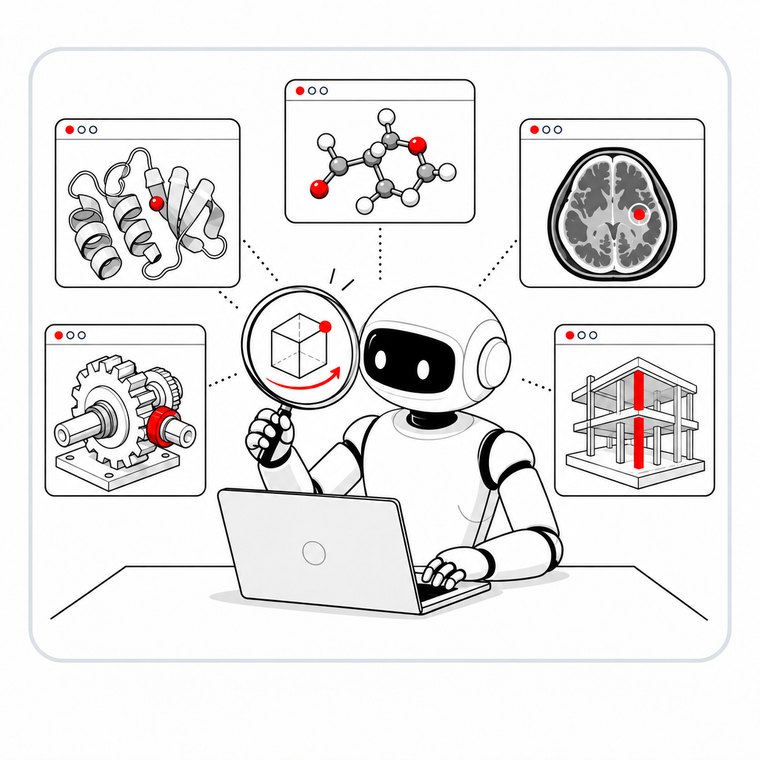
ScienceVision: Can AI Observe and Reason Like a Scientist?
ScienceVision is an interdisciplinary benchmark for scientific 3D understanding and reasoning. Its expert-level visual questions over native 3D objects test whether a model can obtain evidence from the object and reason from it. The best score is 0.53 out of 1.
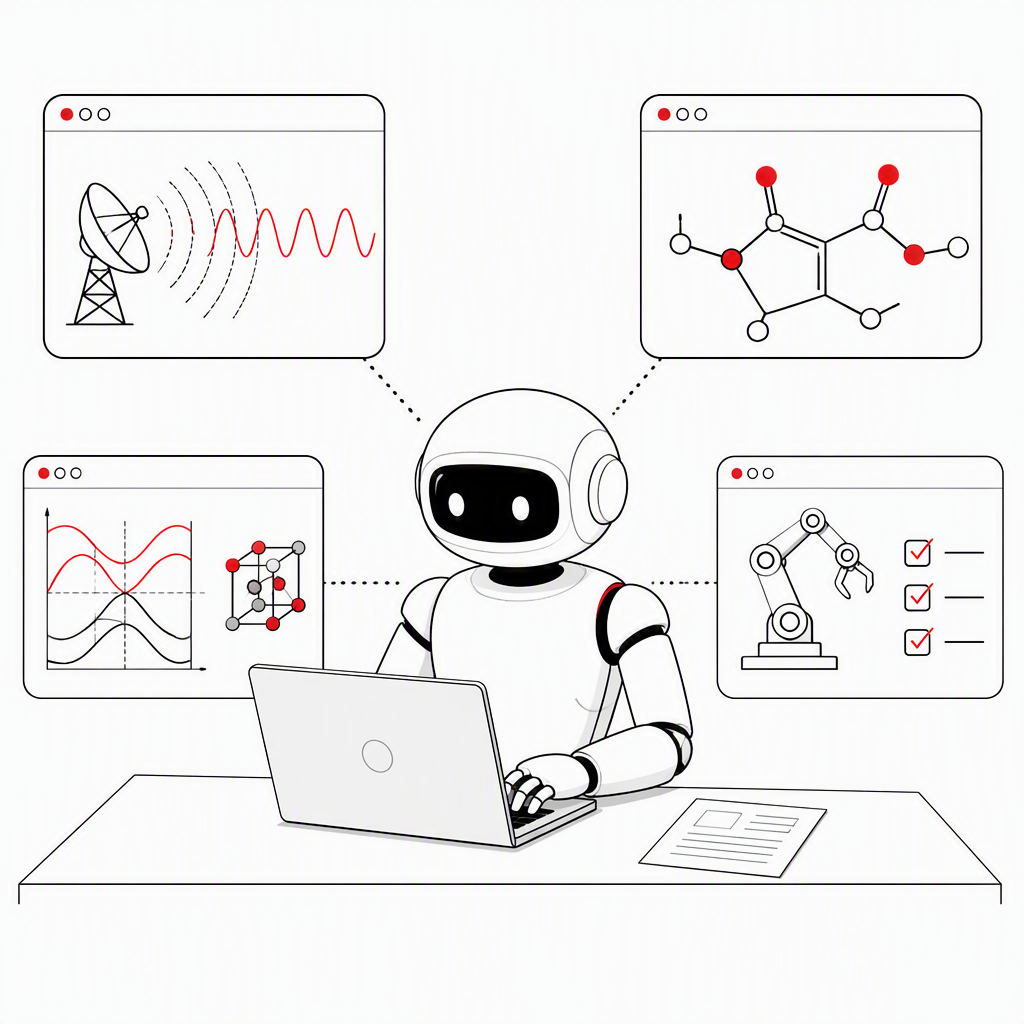
PaperBenchX: Can AI Reproduce Science Across Disciplines?
PaperBenchX evaluates whether AI agents can reconstruct published scientific experiments, execute domain-native software, and regenerate verifiable evidence across disciplines.
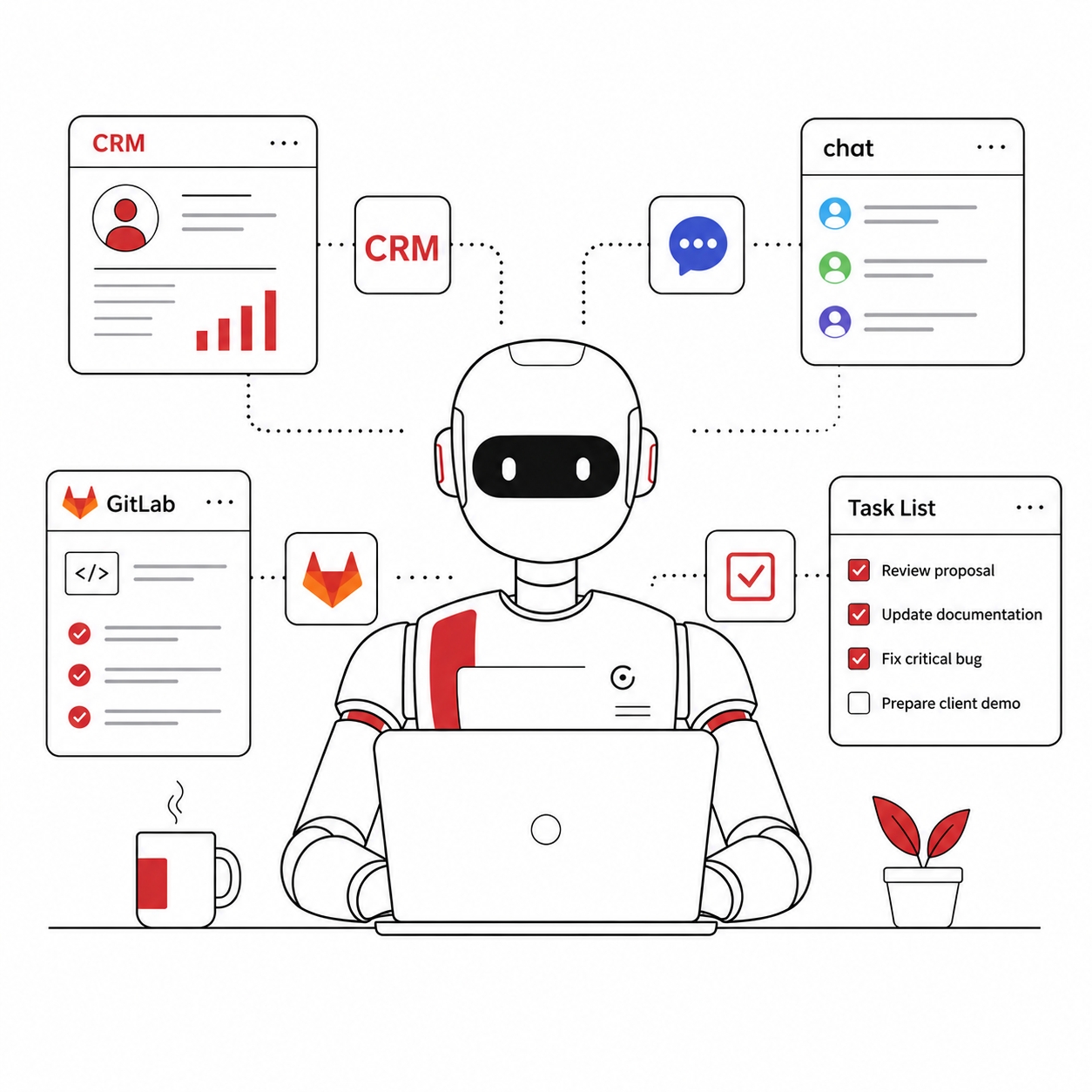
SaaS-Bench: Can Computer-Use Agents Leverage Real-World SaaS to Solve Professional Workflows?
AI agents can browse the web — but can they actually do your job? SaaS-Bench puts computer-use agents inside 23 real SaaS systems to find out, with 106 professional workflows spanning finance, healthcare, engineering, and more.
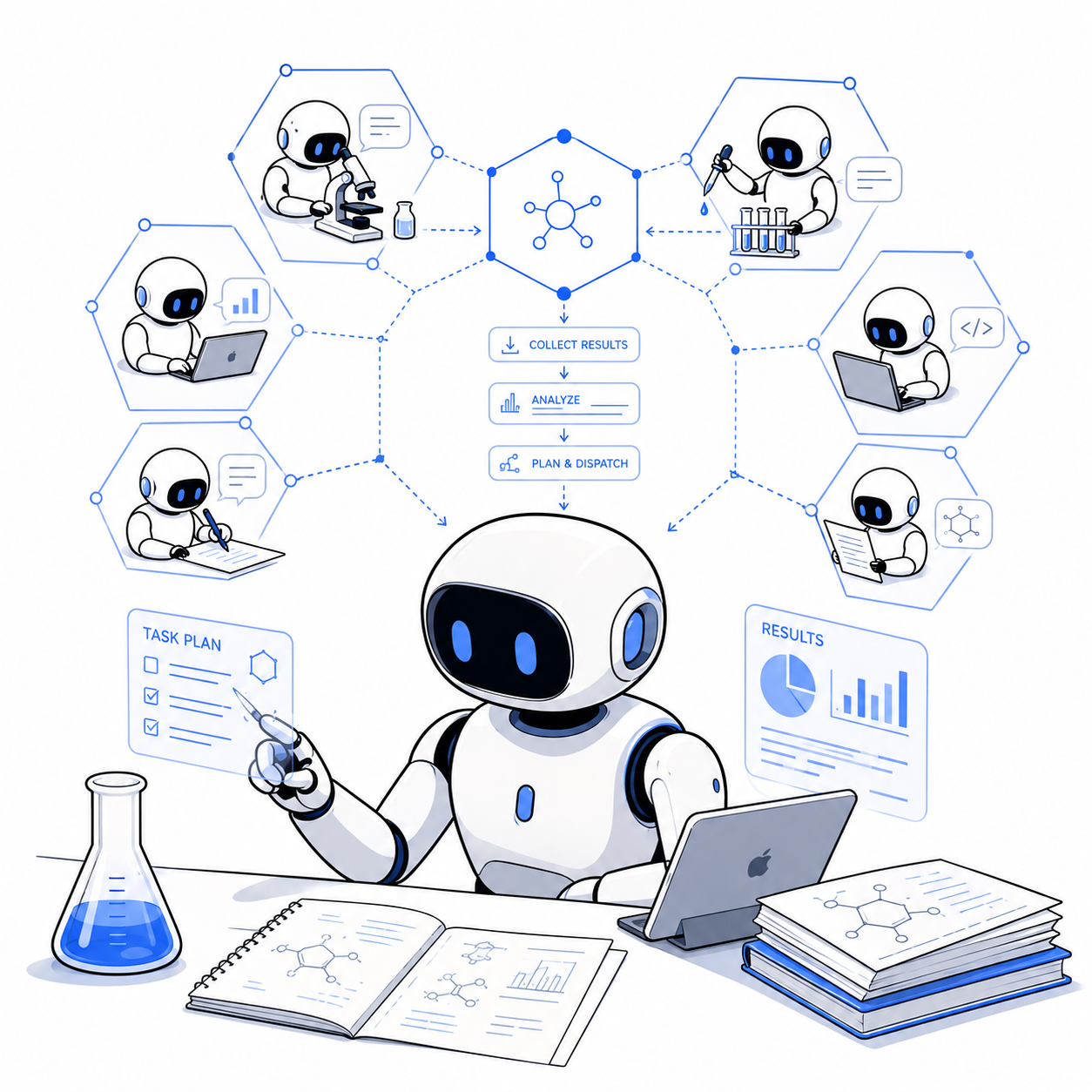
UniSwarm: Unified Agent Swarming for Harnessing Collective Intelligence
UniSwarm coordinates research-agent swarms through a unified interface and complements parallel thinking as a new axis of test-time scaling. We introduce UniSwarm-35B-A3B, trained on UniScientist data to act as both the main agent and a sub-agent, achieving competitive performance against frontier research agents.
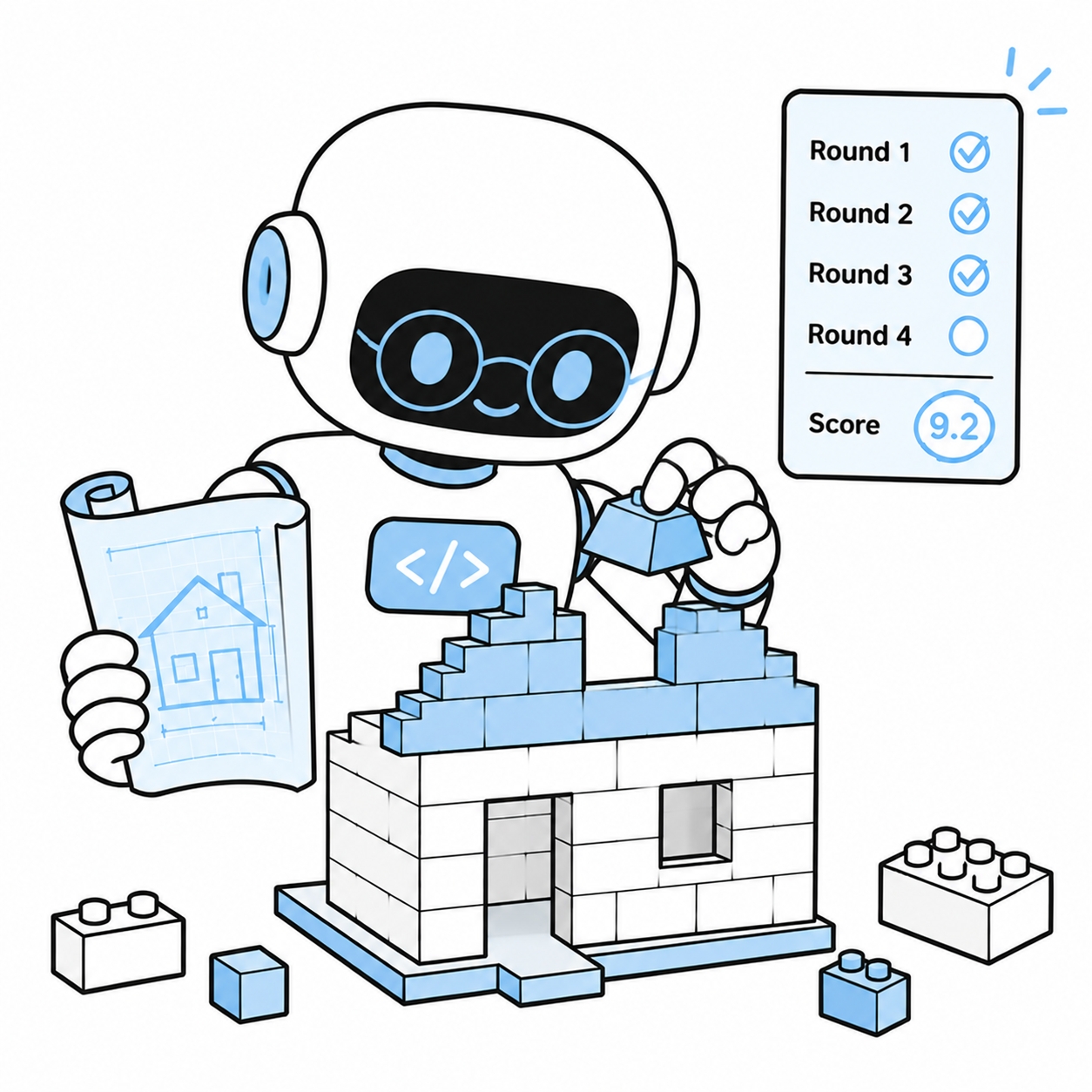
Introducing Vibe-Coding Arena
Most existing agent benchmarks evaluate only the outcome of a single execution—whether the final result passes or fails, but this fundamentally differs from how people actually use coding agents. Vibe coding is iterative and human-in-the-loop: users inspect intermediate results, refine requirements, correct mistakes, and steer agents across multiple rounds. We introduce Vibe-Coding Arena, an evaluation system that captures this process by having humans build alongside agents and conduct fine-grained evaluations of their behavior throughout the interaction.
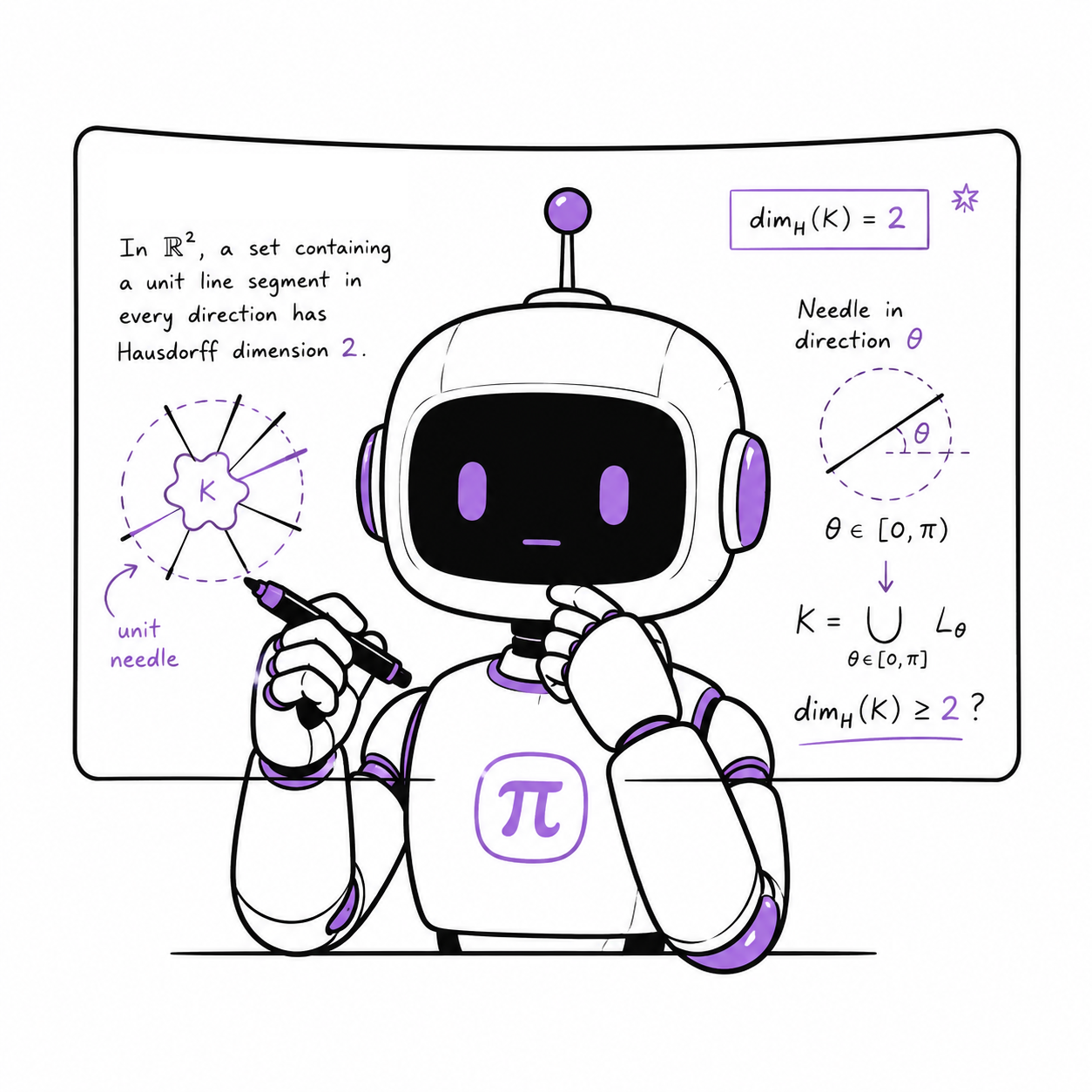
UniMath: From Proof-Synthesis Data to Test-Time Self-Evolution
UniMath-35B-A3B is an open-source olympiad gold-medal mathematical model post-trained from Qwen3.6-35B-A3B. Fine-grained proof-evolution data activates its self-evolving reasoning capability, enabling human gold-medal-level performance on IMO 2025 and USAMO 2026.
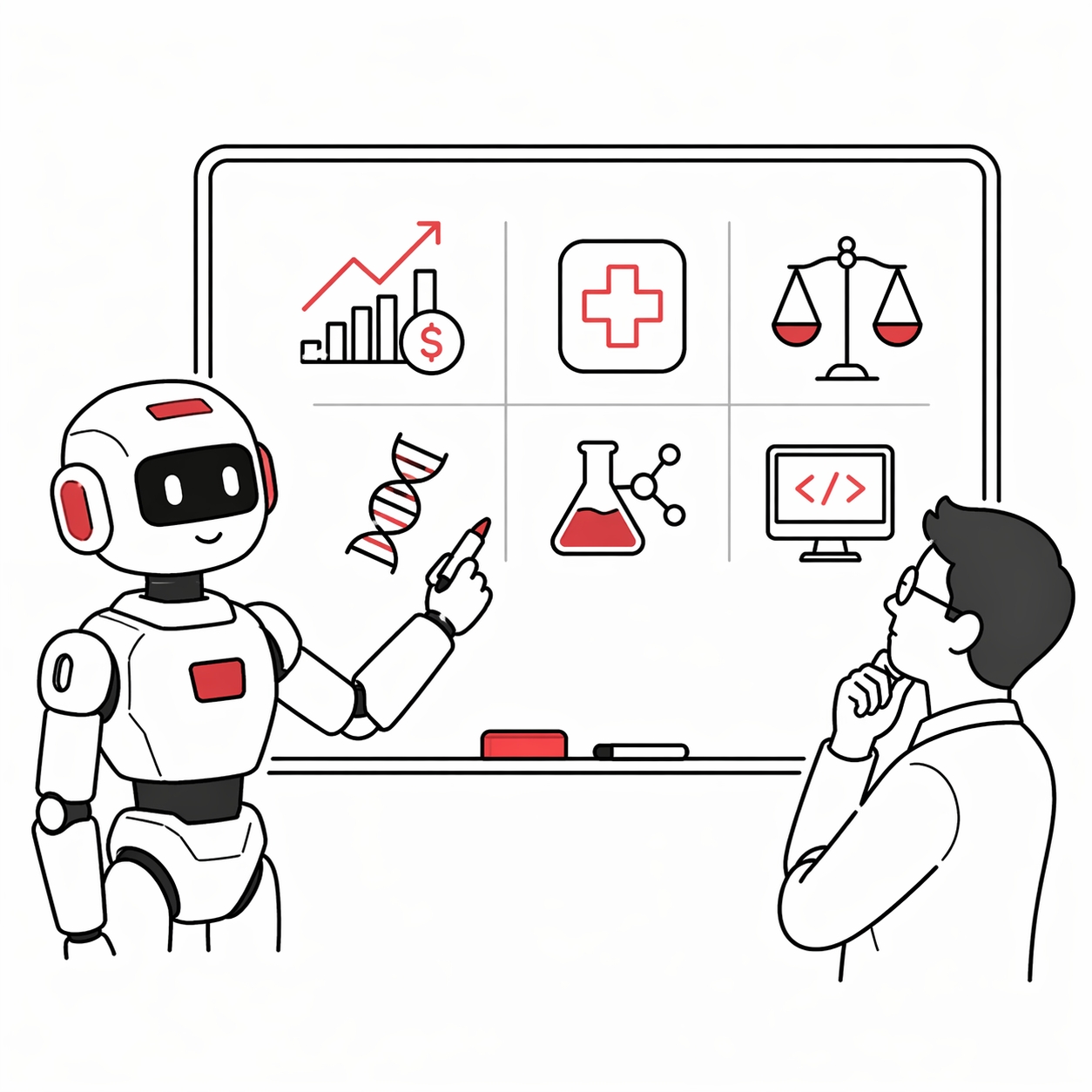
ExpertEval: Can AI Match the Judgment of Seasoned Professionals?
ExpertEval is a large-scale, expert-annotated evaluation infrastructure spanning Medicine, Finance, and Law. We measure productive intelligence: the capacity to reason under genuine professional constraints where errors carry irreversible consequences.
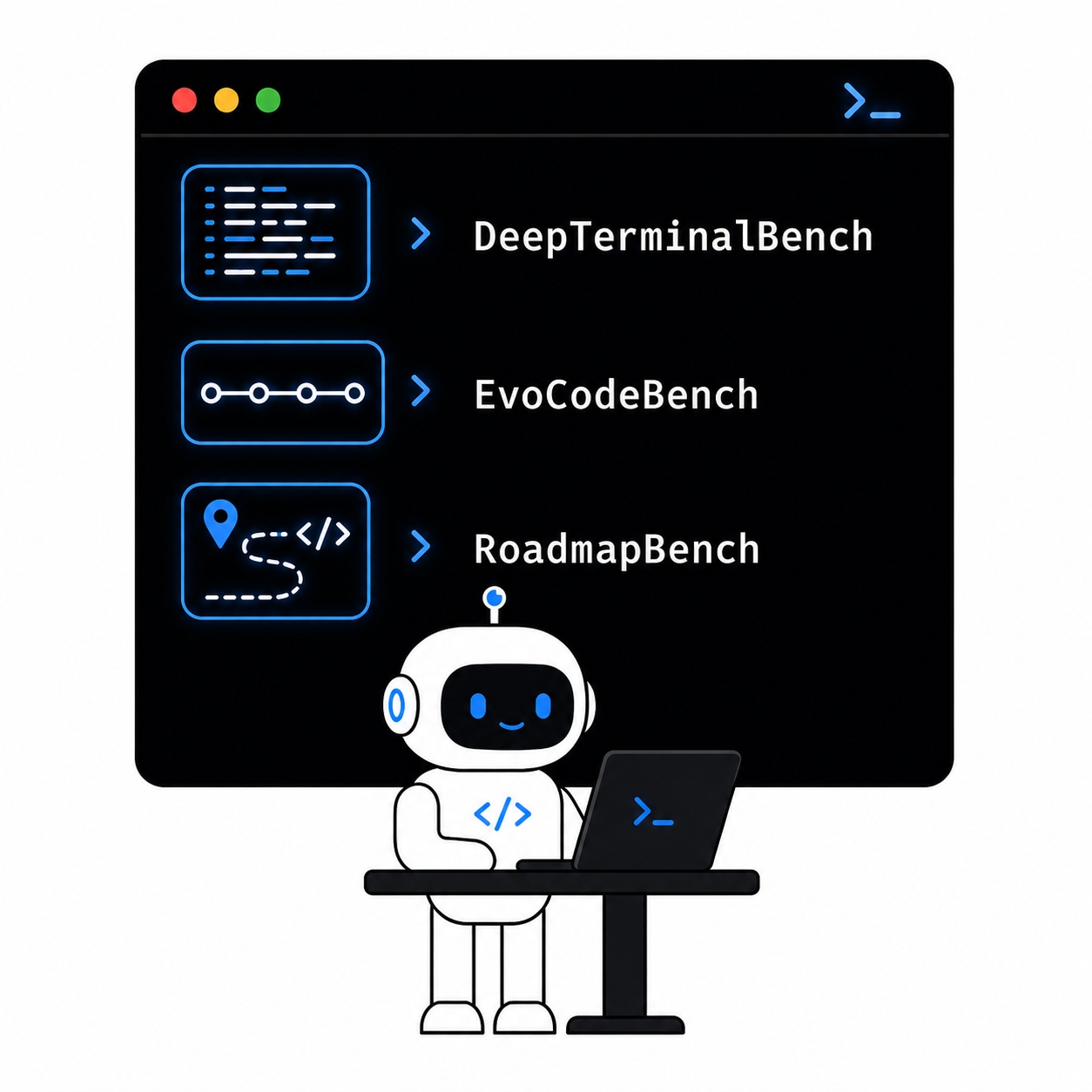
Terminal-X: Evaluate Coding Agents across Depth, Iteration, and Evolution in Terminal Environments
Terminal-X evaluates coding agents in executable terminal tasks. It combines DeepTerminalBench for single-shot depth, EvoCode-Bench for multi-turn iteration, and RoadmapBench for version-upgrade work on real repositories.
Echo: Towards General AI Prediction
We present Echo, a full-stack prediction intelligence system centred on EchoZ-1.0, the first large language model trained end-to-end under the Train-on-Future paradigm — spanning a dynamic evaluation engine, a post-training pipeline, and an AI-native prediction API.

SWE-Vision: A Minimal Agent for Advancing Visual Intelligence
While coding capabilities have surpassed human-level performance in many benchmarks, visual reasoning continues to lag behind. In this work, we introduce SWE-Vision, a minimal agentic workflow that leverages a simple coding environment to enhance visual understanding, also a more achievable test time scaling direction.
UniScientist: Advancing Universal Scientific Research Intelligence
UniScientist is designed to advance universal scientific research intelligence through a unified paradigm. Leveraging an evolving polymathic synthesis, we generate research-grade data that enables structured, rubric-based supervision.

BabyVision: Visual Reasoning Beyond Language
State-of-the-art MLLMs achieve PhD-level language reasoning but struggle with visual tasks that 3-year-olds solve effortlessly. We introduce BabyVision, a benchmark revealing the infancy of AI vision.